
Best Metamask Casinos







What is a MetaMask Casinos
A casino with MetaMask support represents a new generation of online gambling platforms built on blockchain technology rather than traditional web infrastructure. These sites allow players to connect their MetaMask wallet directly, using their crypto holdings to place bets without creating conventional accounts or sharing sensitive personal information. The integration transforms how users interact with gambling services, shifting from custodial models where the operator controls your funds to self-custody arrangements where you maintain control until the moment of wagering.
This approach appeals to players who prioritise privacy, speed, and transparency. By leveraging smart contracts and public ledgers, MetaMask casinos provide verifiable proof of game fairness and instant settlement of winnings. The technology removes geographical banking restrictions and reduces dependency on third-party payment processors, creating a more accessible and efficient gambling experience for users comfortable with cryptocurrency management.
How Web3 gambling platforms work
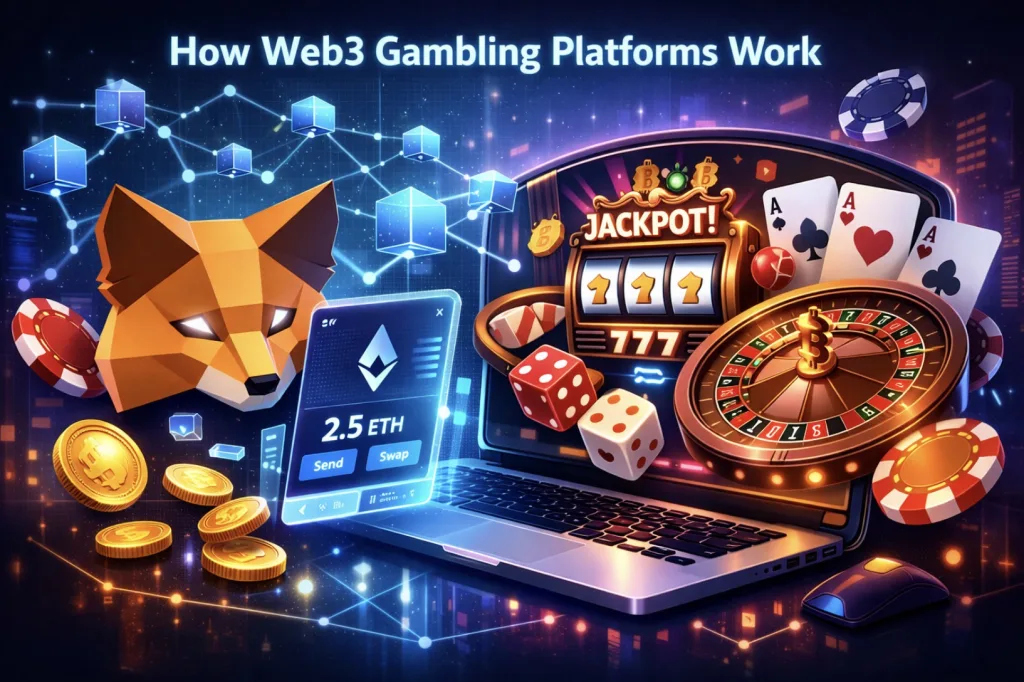
Casinos that integrate MetaMask operate on decentralised architecture rather than traditional centralised servers. When you visit these platforms, the website does not ask for a username or password. Instead, it initiates a connection request to your browser extension via the Ethereum Provider API. Once approved, the platform reads your public wallet address and verifies your balance directly on the blockchain. All wagers, deposits, and withdrawals are executed through smart contracts deployed on compatible networks. These self-executing programmes handle fund routing, game logic, and payout distribution without manual intervention from the casino operator. The frontend interface merely serves as a visual layer that communicates transaction data to the blockchain and displays results fetched from on-chain nodes. This architecture removes the need for custodial holding of player funds. The platform never stores your assets on its internal servers. Every transaction is signed locally on your device using your private key, which never leaves your hardware or browser storage.
Differences from traditional online casinos
Traditional casinos rely on fiat payment gateways, centralised databases, and internal random number generators that run on private servers. Players must submit personal documents, undergo lengthy verification procedures, and wait for manual withdrawal approvals that can take several business days. MetaMask casinos bypass banking intermediaries completely. Deposits and withdrawals occur peer-to-contract. The operator cannot freeze or reverse your funds unless the smart contract explicitly contains administrative functions, which reputable platforms avoid. Game outcomes in traditional setups are verified by third-party testing agencies through statistical sampling. Web3 platforms publish transaction hashes and seed values that allow anyone to independently verify each round. Account creation takes seconds rather than days. Geographic restrictions are enforced at the smart contract or network level rather than through IP tracking alone. Player funds remain under self-custody until explicitly approved for a wager or deposit.
Supported blockchain networks at MetaMask Casinos
Ethereum and Layer Two solutions
Ethereum remains the foundational network for most established Web3 casinos due to its security model and extensive smart contract ecosystem. High gas fees during peak congestion periods make direct mainnet transactions expensive for small stakes. This limitation drove widespread adoption of Layer Two scaling solutions. Optimistic rollups like Arbitrum and zkSync reduce transaction costs by ninety percent while inheriting Ethereum security guarantees. These networks batch thousands of off-chain computations and submit cryptographic proofs to the mainnet. Players experience near-instant confirmation times with fees often below a penny. Most modern MetaMask casinos default to these Layer Two networks for slot play and table games.
Binance Smart Chain and Polygon
Binance Smart Chain and Polygon operate as parallel networks with EVM compatibility. Both use proof-of-stake consensus mechanisms that deliver sub-three-second block times and minimal transaction costs. These networks host the highest volume of casual gambling platforms due to their accessibility. Smart contracts deployed on BSC and Polygon function identically to Ethereum but execute on independent validator sets. Polygon benefits from strong institutional backing and deep liquidity pools for USDC and DAI stablecoins. BSC offers native BNB utility for fee payment and integrates seamlessly with Binance ecosystem products. Both networks support the same MetaMask connection protocols, requiring only network switching in the wallet settings.
Alternative compatible networks
Emerging chains like Avalanche, Fantom, and Base provide additional infrastructure for decentralised gambling. Avalanche utilises a subnet architecture that enables custom consensus rules for gaming applications requiring ultra-low latency. Fantom employs the Lachesis consensus algorithm to achieve finality in under one second. Base, developed by Coinbase, leverages Optimism technology while integrating regulatory-compliant on-ramps. MetaMask supports all these networks through custom RPC configuration. Players select networks based on fee structure, token liquidity, and game availability rather than technical capability.
How to connect a MetaMask wallet to a casino
Installation and basic extension setup
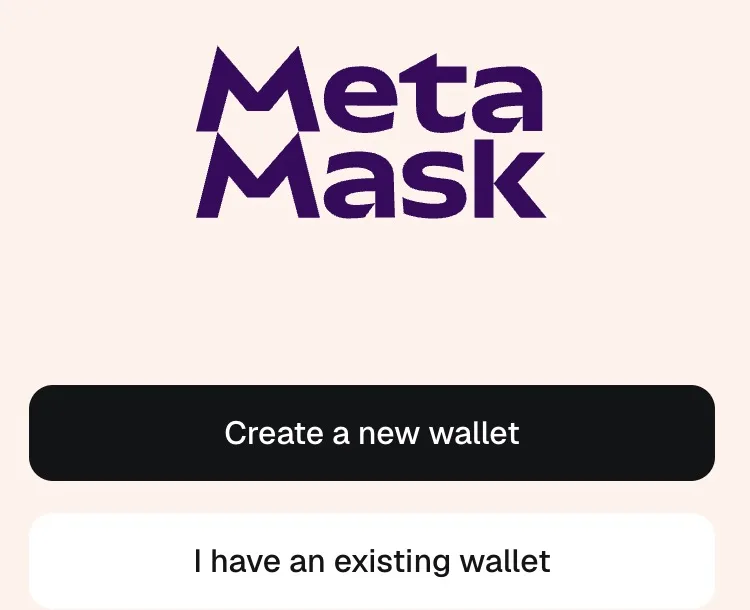
Install the official MetaMask extension only from metamask.io or verified browser web stores. Avoid third-party repositories or copied links from social media. During initial setup, the extension generates a twelve-word recovery phrase. Record this phrase offline using pen and paper. Never store it in cloud drives, email drafts, or password managers. Enable the built-in password protection and activate biometric locks if your device supports them. Set the default network to Ethereum Mainnet initially, then switch to your target gaming network later. Disable the phishing detection toggle only if you understand the risks, as it blocks known malicious domains automatically.
Step by step connection to a casino website
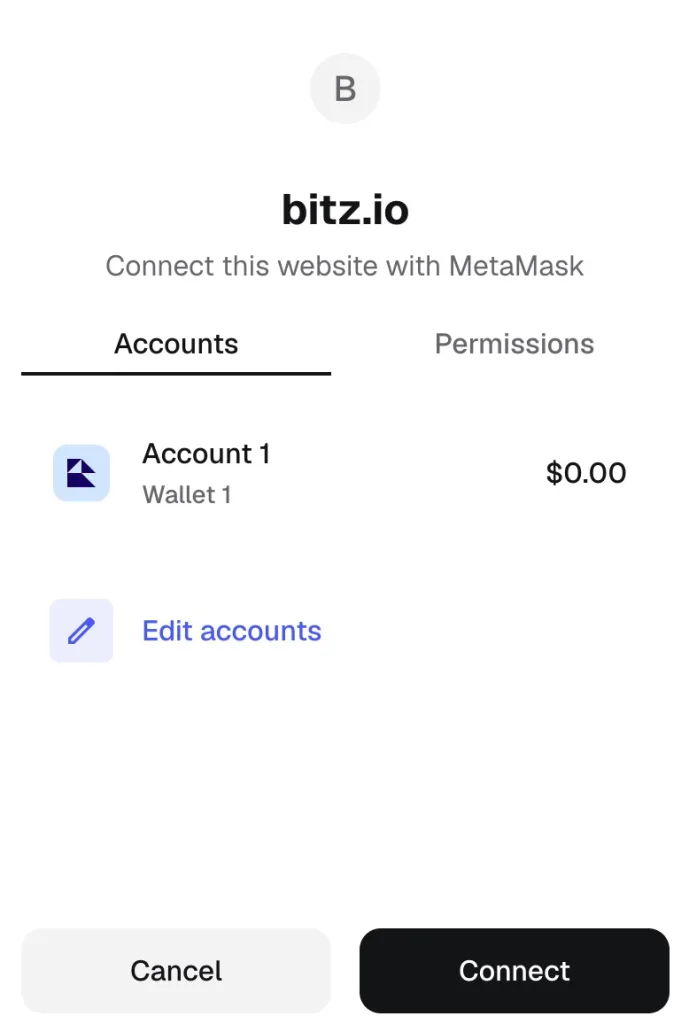
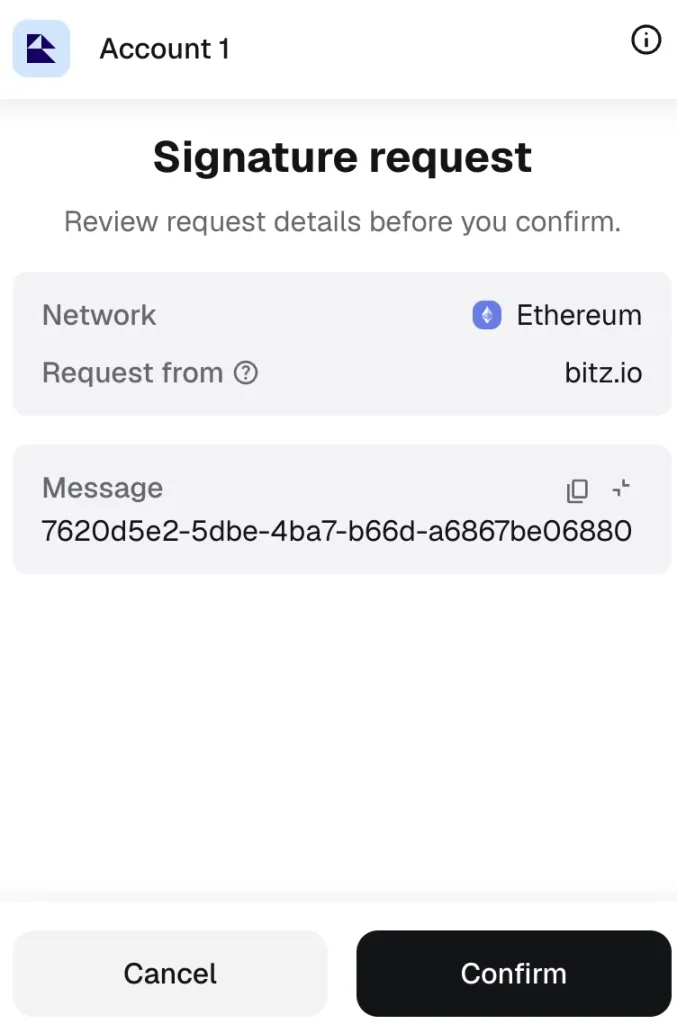
Navigate to the casino homepage using a verified bookmark or direct URL entry. Locate the Connect Wallet button, typically positioned in the top navigation bar. Click the button to trigger the MetaMask popup window. Review the requested permissions carefully. The site will request read access to your public address and network information. It cannot access your private keys or initiate transactions without explicit approval for each action. Click Connect to establish the session. The website interface will update to display your truncated wallet address and current balance. Keep the extension open during your gaming session to maintain the active WebSocket connection required for real-time balance updates and transaction signing.
Adding custom networks and tokens
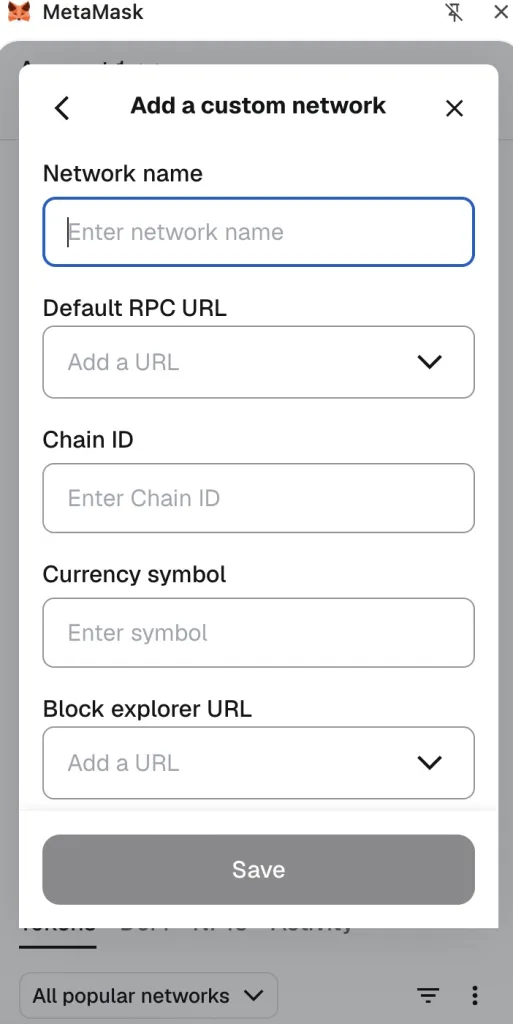
If the casino operates on a non-default network, switch networks manually through the MetaMask network dropdown. Select Add Network and enter the RPC URL, Chain ID, Currency Symbol, and Block Explorer URL provided by the official casino documentation or Chainlist registry. Verify these parameters independently before saving. After switching, you may need to import custom gaming tokens that do not appear automatically. Click Import Tokens in the Assets tab, paste the verified contract address, and confirm the token metadata. Always cross-reference contract addresses with multiple independent sources to avoid spoofed tokens with similar names.
Security verification and connection confirmation
After connecting, verify the session status by checking the active connections menu in MetaMask settings. Review which permissions you granted and revoke any unnecessary approvals. Enable hardware wallet mode if you use Ledger or Trezor devices, as this routes all signing requests through physical confirmation. Monitor gas fee estimates before approving any transaction. Set custom nonce values only if you understand transaction replacement mechanics. Disconnect the wallet immediately after completing your session rather than leaving persistent permissions active. Clear browser cache and local storage regularly to prevent session hijacking through stored cookies.
How to connect MetaMask to a casino on mobile
Mobile browsers restrict extension functionality, requiring alternative connection methods. Download the official MetaMask mobile app and create or import your wallet. Enable WalletConnect compatibility within the app settings. Visit the casino website using a mobile browser that supports deep linking. Tap Connect Wallet and select MetaMask from the protocol list. The browser will prompt to open the MetaMask app directly. Approve the connection request within the app interface. Return to the browser to view your synced session. This flow uses encrypted QR code scanning or universal linking to establish a secure bridge between mobile browser and wallet application.
Advantages and disadvantages of using MetaMask
Key benefits for players
Direct wallet integration eliminates intermediary processing fees charged by payment providers. Players retain full custody of funds until the moment of wagering. Transaction transparency allows independent verification of every deposit, bet, and payout through public explorers. Geographic accessibility expands significantly since blockchain networks operate without traditional banking restrictions. Smart contract automation removes withdrawal delays and manual review bottlenecks. Players can participate in platforms without submitting identification documents where KYC is not enforced. Multi-chain compatibility enables rapid network switching based on fee fluctuations and game availability.
Technical limitations and risks
Network congestion causes unpredictable transaction delays during high demand periods. Gas fees on certain chains can exceed wager amounts for low-stakes players. Irreversible transaction nature means errors in address input or network selection result in permanent fund loss. Smart contract vulnerabilities can expose pooled funds to exploits if code remains unaudited. Phishing sites replicate legitimate casino interfaces to capture wallet signatures. Users bear full responsibility for seed phrase security and device protection. Regulatory uncertainty creates potential access restrictions depending on jurisdiction.
| Parameter | Traditional Online Casino | MetaMask Web3 Casino |
|---|---|---|
| Transaction Speed | One to five business days for withdrawals | Seconds to minutes depending on network congestion |
| Processing Fees | Payment gateway charges and currency conversion costs | Blockchain network gas fees only |
| Privacy Level | Full identity verification and banking data collection | Pseudonymous wallet address without personal details |
| Regulatory Oversight | Licensed jurisdictions with consumer protection frameworks | Variable compliance depending on operator and smart contract structure |
| Fund Custody | Operator holds all deposited funds in centralised accounts | Player retains control until explicit smart contract approval |
- Elimination of banking intermediary restrictions and chargeback delays
- Real-time balance updates directly from blockchain node data
- Transparent on-chain verification of game outcomes and payout ratios
- Instant cross-platform account access using the same wallet address
- Reduced exposure to identity theft due to minimal personal data collection
Gaming content and provably fair mechanics
MetaMask casinos host standard casino categories alongside blockchain-native formats. Traditional slots, roulette, blackjack, and baccarat operate through adapted smart contracts that replicate familiar rulesets. Decentralised platforms specialise in instant-win games like dice rolling, crash multipliers, and plinko mechanics where outcomes depend on verifiable on-chain randomness. Peer-to-peer poker rooms utilise smart contracts for blind management and pot distribution without dealer intervention. Live dealer variants bridge traditional streaming with crypto wagering by routing bets through wallet signatures while maintaining video feeds from licensed studios. Tournaments and prize pools operate through automated escrow contracts that distribute winnings based on predefined ranking algorithms.
How provably fair works in smart contracts
Provably fair systems replace opaque random number generators with cryptographically verifiable processes. Each round begins with the server generating a seed value and publishing its hash before the wager is placed. The player contributes their own seed value during the signing process. After the bet executes, the server reveals the original seed. The combination of both seeds undergoes a hashing function to produce the final outcome. Players can independently run the hash calculation to verify that the result was predetermined and unaltered. Smart contract implementations automate this process entirely. The contract locks the server hash, accepts player input, executes the game logic, and distributes winnings without human intervention. This architecture guarantees that neither the operator nor the player can manipulate results after commitments are made.
Leading content developers for crypto platforms
Established software studios have adapted their engines for on-chain deployment while maintaining high production standards. Providers focus on lightweight client-side assets that pair with on-chain settlement layers to optimise performance. These developers integrate wallet connection APIs directly into their game frameworks, enabling seamless MetaMask interaction without middleware redirects. They publish contract addresses and audit reports alongside game releases. Many studios offer exclusive token-based tournaments that reward active participants with platform governance tokens or liquidity mining incentives.
| Provider | Average RTP Range | Volatility Profile | Round Generation Speed |
|---|---|---|---|
| Pragmatic Play Web3 | Ninety-four to ninety-seven percent | Medium to High | Sub-two seconds with Layer Two routing |
| Evolution Crypto Integration | Ninety-six to ninety-eight percent | Low to Medium | Live stream synchronised with blockchain settlement |
| Native Decentralised Studios | Ninety-seven to ninety-nine percent | Adjustable via smart contract parameters | Instant on-chain confirmation |
| Slot Provider Networks | Ninety-three to ninety-six percent | High variance with progressive features | One to three seconds depending on network load |
Depositing funds and withdrawing winnings
The best cryptocurrencies to play at MetaMask Casino
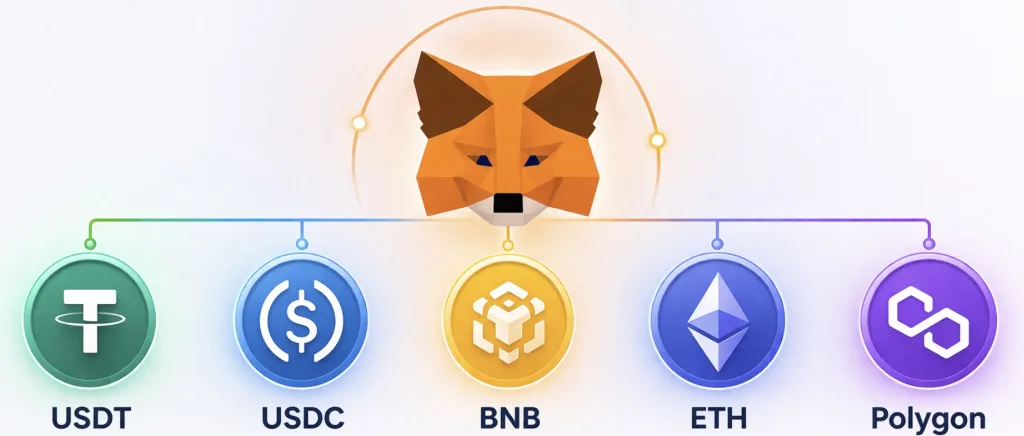
Stablecoins dominate Web3 casino transactions due to price stability and predictable settlement values. USDT and USDC eliminate volatility risk during active gaming sessions. Native chain tokens like ETH, BNB, and Polygon serve as optimal fee payment assets due to automatic gas calculation. Players holding long-term positions in volatile assets typically swap to stablecoins before depositing to avoid unexpected balance fluctuations. Some platforms offer discounted house edges when wagering with platform-specific tokens, though this introduces additional market risk.
Transaction processing speed
Processing times depend entirely on block confirmation requirements set by the casino smart contract. Most platforms accept one confirmation for deposits and three for withdrawals to mitigate reorg risks. Layer Two networks finalise transactions within seconds, while mainnet Ethereum requires one to fifteen minutes during peak periods. Cross-chain bridges introduce additional latency ranging from ten minutes to several hours depending on liquidity pool availability and validator consensus.
Network fees and platform limits
Blockchain networks charge gas fees paid in the native currency of the active chain. Platforms cannot alter these rates as they are determined by validator prioritisation. Operators may impose minimum deposit thresholds to ensure transaction amounts cover network costs profitably. Withdrawal limits vary based on platform risk management and liquidity reserves. High-volume players often negotiate custom limits through direct operator communication or utilise decentralised exchange routing for larger transfers.
Playing with direct wallet deduction
Certain platforms operate without traditional deposit mechanics. Instead, each wager triggers a direct token approval transaction from your wallet to the game contract. This model requires you to grant an allowance equal to your betting budget or per-spin amount. The contract deducts the exact wager value upon each round initiation and returns winnings instantly to your wallet balance. This approach eliminates idle platform funds and reduces exposure to operator insolvency risks. Players must monitor approval limits carefully to prevent excessive spending from a single signature.
Common transfer errors and solutions
Sending tokens to an incompatible contract address results in permanent loss. Always verify the receiving address matches the official casino documentation. Selecting the wrong network during transfer creates stranded funds that require complex bridge recovery procedures. Underestimating gas limits causes transaction failures that still consume partial fees. Set slippage tolerance appropriately when swapping tokens before depositing to prevent failed exchanges. Keep detailed records of transaction hashes for all deposits and withdrawals to facilitate support resolution when discrepancies occur.
- Verify the receiving contract address through the official casino dashboard before initiating transfer
- Check network selection in MetaMask matches the casino active chain configuration
- Review gas estimation and adjust manually if the suggested limit appears insufficient
- Confirm token contract compatibility by cross-referencing with the platform accepted asset list
- Submit transaction and record the hash immediately for future reference and tracking
- Monitor blockchain explorer for confirmation status before assuming completion
- Contact support with transaction hash and screenshot evidence if balance does not update within expected timeframe
Double-check the network and wallet number before sending money. If you enter the wrong wallet number or select the wrong network, you could lose your money!
| Network | Average Transaction Fee | Confirmation Time | Best Use Case |
|---|---|---|---|
| Ethereum Mainnet | 1-$15 | 2-10 minutes | High value transfers requiring maximum security |
| Arbitrum One | 0.01-$0.1 | 2-5 seconds | High frequency slot play and table games |
| Polygon PoS | 0.05-$0.08 | 1-3 seconds | Micro stakes and tournament participation |
| Binance Smart Chain | 0.1-$0.2 | 2-5 seconds | Casual gaming with BNB ecosystem integration |
| Base | 0.02-$0.06 | 3-6 seconds | Institutional grade platforms with regulated on-ramps |
Security of fund storage and data protection
Game logic resides in audited smart contracts deployed on public blockchains. These programmes execute predefined functions when receiving valid transaction signatures. Deposits route funds into escrow pools managed by contract code rather than corporate accounts. Winning outcomes trigger automatic payout distributions based on mathematical formulas embedded in the contract. Administrative functions, if present, remain time-locked or require multi-signature approval from independent custodians. Players can review contract source code on block explorers to verify the absence of backdoors or arbitrary fund extraction capabilities.
Privacy policies and KYC requirements
Web3 platforms typically collect minimal personal data during initial registration. Wallet addresses serve as primary identifiers. However, regulatory compliance increasingly demands identity verification for fiat on-ramps, large withdrawals, or jurisdictional access. Players may encounter tiered KYC systems where basic play remains anonymous but cash-out thresholds trigger documentation requests. Reputable platforms store verification documents on encrypted servers with strict access controls and automatic deletion schedules after compliance periods expire.
Methods for detecting phishing resources
Phishing sites replicate legitimate casino interfaces to capture wallet connection signatures and drain assets. Always verify domain spelling character by character before entering credentials or connecting wallets. Check SSL certificate validity and issuer information through browser security indicators. Cross-reference official social media channels and community forums for current domain announcements. Utilise browser extensions that flag known malicious domains and warn before connection approval. Never click promotional links received through unsolicited emails or direct messages. Bookmark verified platforms and access them exclusively through saved URLs.
- Contract source code verified and published on public block explorers
- Independent security audit reports from recognised firms available for public review
- Transparent team identification with verifiable professional backgrounds
- Active community moderation across official Discord and Telegram channels
- Clear dispute resolution procedures and responsive support ticket system
Criteria for choosing a verified platform
Licensing and operator jurisdiction
Licensing provides foundational consumer protection even within decentralised environments. Jurisdictions like Curacao, Malta, and Anjouan issue frameworks specifically adapted for crypto operations. Licensed operators must maintain segregated liquidity reserves, submit regular compliance reports, and participate in dispute mediation processes. Players should verify licence numbers directly through regulator databases rather than relying on website footer claims. Unlicensed platforms operate without oversight and may manipulate game parameters or withhold withdrawals without recourse.
Reputation and independent code audits
Community feedback across independent review platforms and crypto forums reveals operational patterns over time. Consistent complaints about delayed withdrawals or unresponsive support indicate systemic issues. Positive reputation correlates with transparent incident reporting and proactive vulnerability remediation. Smart contract audits from firms like CertiK, Hacken, or Quantstamp validate code security before deployment. Platforms that publish audit findings alongside fix implementations demonstrate commitment to long-term stability rather than short-term acquisition.
Support quality and mobile adaptation
Effective customer support operates across multiple channels with documented response time commitments. Live chat integration, email ticketing, and community moderation should function cohesively. Support staff must understand blockchain transaction mechanics, network switching procedures, and contract interaction troubleshooting. Mobile adaptation requires responsive design that maintains wallet connection stability across iOS and Android browsers. Touch-optimised interfaces, offline state recovery, and biometric authentication integration distinguish professional platforms from amateur deployments.
| Evaluation Criteria | Minimum Standard | Optimal Standard | Verification Method |
|---|---|---|---|
| Smart Contract Audit | Single independent report published | Multiple audits with continuous monitoring | Direct link to audit firm database |
| Licence Status | Active regulatory registration | Multi-jurisdictional compliance framework | Official regulator database cross-check |
| Support Response Time | Under twelve hours via ticket system | Under fifteen minutes via live chat | Direct interaction test before registration |
| Game Verification | Provably fair documentation available | Automated on-chain proof generation | Independent hash calculation test |
| Withdrawal Processing | Under twenty-four hours after approval | Automatic execution upon confirmation | Community withdrawal timeline tracking |
Future development prospects of MetaMask integration
Platform architecture shifts from semi-centralised models toward fully autonomous protocols. Governance tokens enable player participation in fee structure adjustments, game addition votes, and treasury allocation decisions. Liquidity mining programmes reward active participants who provide capital for payout pools. Decentralised identity solutions replace traditional KYC with zero-knowledge proof verification, maintaining regulatory compliance while preserving privacy. Autonomous treasuries manage operational costs through transparent smart contract allocations audited by token holders.
Adoption of new standards and crosschain protocols
Account abstraction standards like EIP-4337 simplify wallet interaction by removing seed phrase dependency and enabling social recovery mechanisms. Crosschain messaging protocols facilitate seamless asset transfers without centralised bridge vulnerabilities. Gaming-specific blockchain layers optimise block times and state storage for high-throughput wagering. Interoperability standards allow single wallet addresses to access multiple platforms across different networks without manual reconfiguration.
Forecasts for the next three years
Regulatory frameworks will standardise compliance requirements for crypto gambling, prompting platform migration to licensed jurisdictions. Layer Two adoption will exceed ninety percent of transaction volume due to cost efficiency and speed advantages. Institutional liquidity providers will enter the market, stabilising payout pools and enabling larger maximum bet limits. AI-driven responsible gambling tools integrated directly into wallet interfaces will monitor betting patterns and suggest cooling-off periods. Hardware wallet integration will become standard for high-stakes players seeking maximum security without sacrificing accessibility.
Alternative wallets with casino connection
MetaMask dominates the market but faces competition from specialised wallet architectures. Trust Wallet offers native mobile optimisation and broader token support out of the box. Phantom focuses on Solana ecosystem integration with expanding Ethereum compatibility. Rabby prioritises security analytics and pre-transaction risk assessment for smart contract interaction. Each solution presents distinct advantages depending on player priorities regarding device preference, network focus, and security depth.
| Wallet | Primary Network Focus | Casino Compatibility | Security Features | Mobile Experience |
|---|---|---|---|---|
| MetaMask | Ethereum and EVM chains | Universal standard across platforms | Hardware integration and phishing detection | Functional with WalletConnect bridging |
| Trust Wallet | Multi-chain native support | High through embedded browser | Built-in staking and dApp scanning | Optimised for mobile-first interaction |
| Phantom | Solana and Ethereum expansion | Growing support for hybrid platforms | Transaction simulation and fraud alerts | Seamless iOS and Android performance |
| Rabby | EVM compatibility focus | Excellent with security-first design | Pre-transaction risk analysis and rule engine | Desktop optimised with mobile companion |
FAQ
-
Can you cancel a transaction after signing in MetaMask
Once a transaction signature is broadcast to the network, cancellation becomes impossible. Blockchain architecture guarantees execution or failure without reversal options. You can attempt to replace a pending transaction by submitting a new one with the same nonce and significantly higher gas fees, but this requires the original transaction to remain unconfirmed. If the network has already processed the initial request, replacement attempts will fail and consume additional fees without effect.
-
What to do if funds are not credited to the gaming balance
First verify transaction status on the relevant blockchain explorer using the hash recorded during submission. Confirm the transaction reached the required confirmation count specified by the platform. Ensure the receiving address matches the casino deposit address exactly, including network selection. If all parameters align correctly, submit a support ticket with the transaction hash, wallet address, and screenshot evidence. Platforms typically resolve discrepancies within twenty-four hours once on-chain verification confirms successful delivery to their contract.
-
Is identity verification required when playing through a crypto wallet
Verification depends entirely on platform policy and jurisdictional compliance requirements. Fully decentralised protocols operating on-chain typically require zero identification for basic gameplay and small withdrawals. Licensed operators servicing fiat on-ramps or high-value transactions must collect identity documents to satisfy anti-money laundering regulations. Players should review terms of service before depositing to understand KYC thresholds and avoid withdrawal complications later.